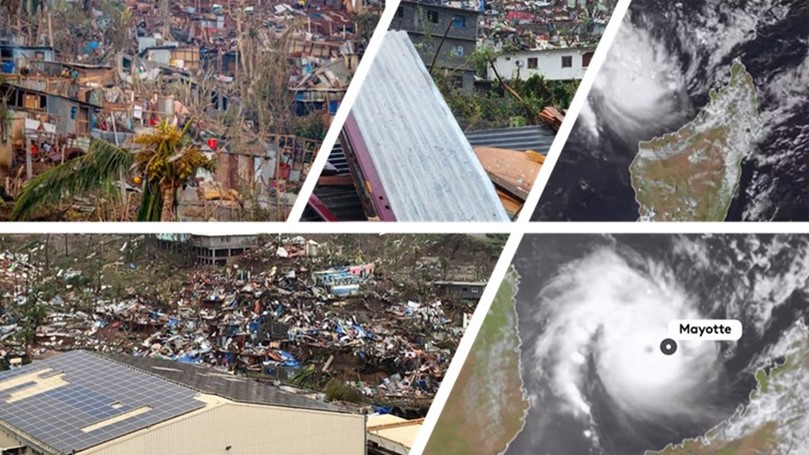
In December 2024, Cyclone Chido struck the French overseas territory of Mayotte, severely damaging infrastructure and heightening the risk of waterborne and vector-borne disease outbreaks. In response to a formal request, the World Health Organization (WHO) deployed a multinational Rapid Response Mobile Laboratory (RRML) team through the Global Outbreak Alert and Response Network (GOARN) Diagnostic Surge Capacity (DiSC) mechanism.
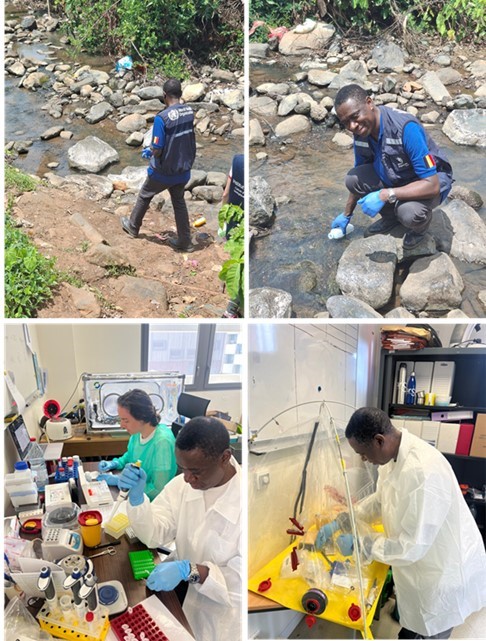
In coordination with GOARN, the WHO Regional Office for Europe mobilized an RRML team composed of experts from several DiSC institutions, including Leipzig University (Germany), B-LiFE from the Centre for Applied Molecular Technologies at UCLouvain (Belgium), and the Ministry of Health (Israel). Each institution contributed specific capacities in line with predefined roles and responsibilities. The Institut Pasteur (France) led the overall mission, providing the RRML team lead as well as essential infrastructure, including biosafety and biosecurity equipment, diagnostic devices, and reagents for waterborne disease testing. The Israeli Ministry of Health deployed one technical expert. In total, six technical experts were engaged throughout the mission. Leipzig University supported the mission by supplying reagents, equipment, and expertise for water-quality analysis. B-LiFE participated in the 45-day deployment to provide water-quality testing and diagnostics for waterborne and arboviral diseases, while maintaining readiness to perform arbovirus testing if required.
Although initial plans included support for arbovirus testing—prompted by an ongoing chikungunya outbreak on the neighbouring island of La Réunion—this was ultimately not required, as the local hospital was able to cover all testing needs. Nevertheless, the B-LiFE deployment in Mayotte highlights the need for on-site detection and identification of mosquito-borne diseases, particularly arboviruses, within the global emergency response architecture. It also demonstrates the added value of a mobile laboratory such as B-LiFE, which has developed this specialised capacity as part of MOBVEC to enable timely public health interventions, support real-time decision-making, expand diagnostic access, and help bridge current gaps in the rapid on-site identification of mosquito-borne arboviruses.